What is "civilization"? What makes a culture "civilized"? This unit focuses on the elements of civilization. As you gain knowledge from examples of ancient cultures, think about these questions:
- How is a civilization defined?
- What makes a civilization "civilized"?
- How does geography shape the development of a society?
-
What makes a civilization "Classical"?
-
What aspects of Classical Civilizations carry on to the present day?
-
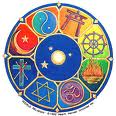
How did the expansion of religious and philosophical beliefs unify ancient civilizations?
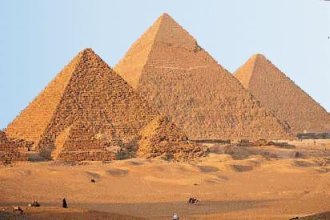
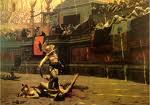
In this unit you will examine three case studies which many historians feel exemplify the highest levels of civilization in their time periods. Included case studies are Egypt, China, Rome, and World Religions. You will be examining each of the case studies through the "lense" of GRAPES.
You will learn how each civilization came to be, what made them so successful, and why even to this day, many of the elements of these civilizations are still emulated by modern societies, including the United States of America. After examining these fascinating cultures, you will decide for yourself if they are worthy of study thousands of years later.
When you have completed this unit, you will have an understanding of how:
-
Increasingly complex civilizations developed through processes of assimilation, conquest, migration and trade.
-
Institutions, systems of thought, and cultural styles advanced during this time which spread and influenced neighboring people for centuries.
-
The emergence of major religions and belief systems simultaneously united peoples of diverse political and ethnic identities and challenged the status quo